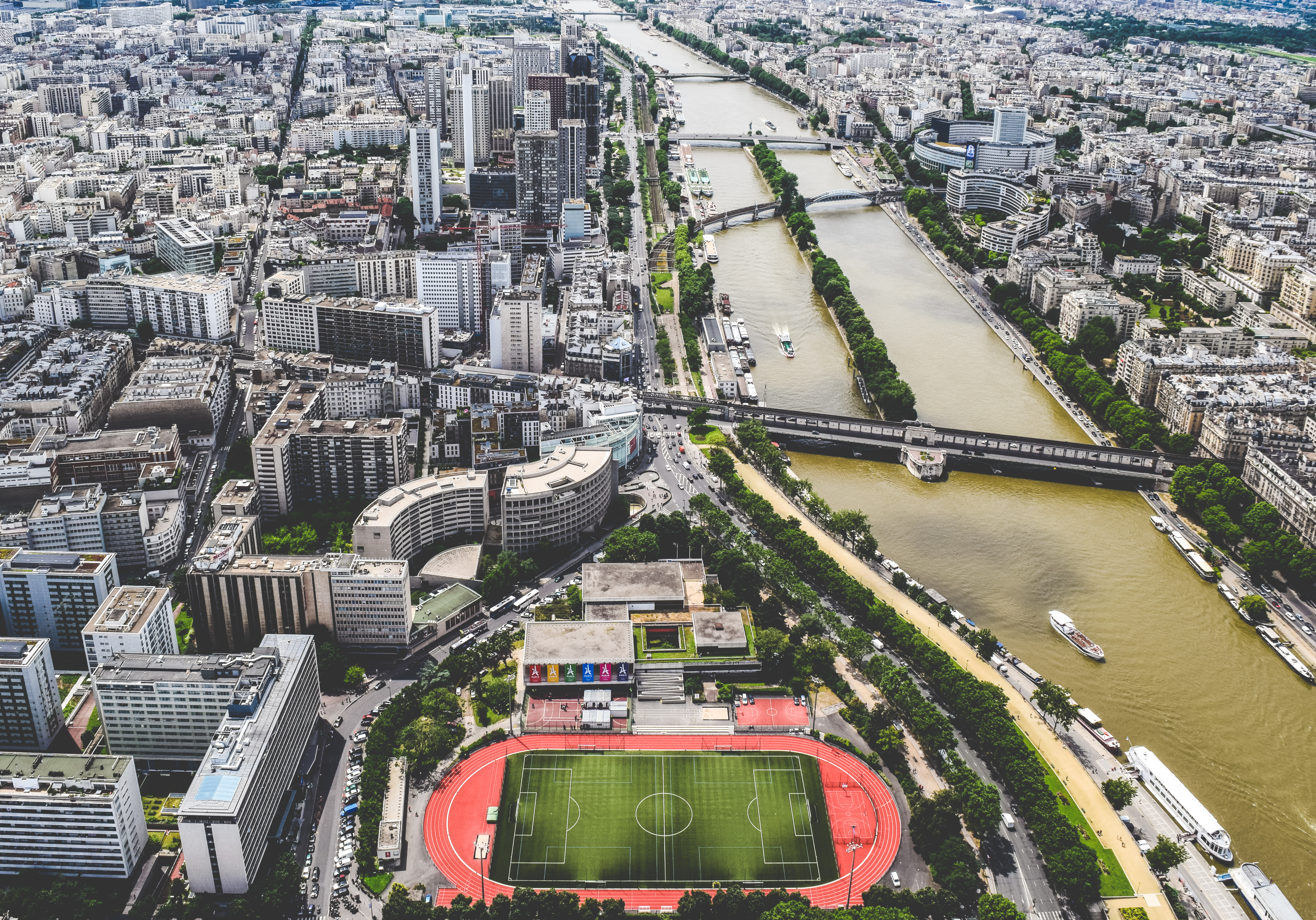
1889 Exposition Universelle Context
France showcased industrial prowess on Champ de Mars — tower as entrance arch metaphor scaled to unprecedented height. Construction in two years demonstrated riveting precision and modular prefabrication.
Intended as temporary exhibit; scientific utility (meteorology, radio) extended lifespan.
Scholars and practitioners continue to refine how this subject is presented to contemporary audiences — balancing documentary rigour with the sensory expectations of modern visitors.
Archival research, oral histories and field observation together deepen understanding — material that overview articles alone cannot convey without oversimplifying regional nuance.
For travellers, connecting this theme to adjacent topics on this site builds a more coherent itinerary than treating each landmark or technique as an isolated photo opportunity.
Municipal institutions, producer associations and independent writers publish seasonal updates that subtly shift emphasis — worth checking regional calendars before firm travel plans.
Photography, sketching and note-taking during visits help retain spatial relationships that maps flatten — especially when navigating dense historic centres or multi-venue tasting routes.
Evening hours transform the same streets and river facades that appear subdued by day — planning duplicate passes at different times often rewards patient visitors.
Guidebooks age quickly when construction, restoration or chef changes alter access — cross-check official sites within a month of departure for closures and ticketing rules.
Local residents often hold expertise not captured in promotional copy — polite questions at markets, ticket desks and hotel concierges can surface practical detail formal guides omit.
Tower held world's tallest title until Chrysler Building — yet remained emotive anchor longer than any skyscraper statistic.
Engineering and Material Science
Wrought iron puddled in French forges assembled with 2.5 million rivets — wind tunnel insights informed open lattice reducing sail effect. Elevators by Otis pioneered tourist vertical transport.
Paint cycles every seven years require 60 tonnes — colour subtly shifted 'Eiffel Tower Brown' for skyline harmony.
Comparative reading across regions prevents single-destination myths from hardening into cliché — contrasts clarify what is distinctive versus what is shared Mediterranean, Atlantic or European practice.
Audio guides, museum apps and subtitled documentary clips supplement on-site learning when language barriers or restoration scaffolding limit direct access to interiors.
Scholars and practitioners continue to refine how this subject is presented to contemporary audiences — balancing documentary rigour with the sensory expectations of modern visitors.
Archival research, oral histories and field observation together deepen understanding — material that overview articles alone cannot convey without oversimplifying regional nuance.
For travellers, connecting this theme to adjacent topics on this site builds a more coherent itinerary than treating each landmark or technique as an isolated photo opportunity.
Municipal institutions, producer associations and independent writers publish seasonal updates that subtly shift emphasis — worth checking regional calendars before firm travel plans.
Photography, sketching and note-taking during visits help retain spatial relationships that maps flatten — especially when navigating dense historic centres or multi-venue tasting routes.
Evening hours transform the same streets and river facades that appear subdued by day — planning duplicate passes at different times often rewards patient visitors.
Artistic and Literary Opposition
Petitions by Gounod, Maupassant and others decried aesthetic violation — iron on neoclassical skyline. Maupassant allegedly dined inside tower because it was only place he could not see it — apocryphal yet telling.
Rehabilitation followed radio transmission strategic value and panoramic tourism popularity.
Guidebooks age quickly when construction, restoration or chef changes alter access — cross-check official sites within a month of departure for closures and ticketing rules.
Local residents often hold expertise not captured in promotional copy — polite questions at markets, ticket desks and hotel concierges can surface practical detail formal guides omit.
Comparative reading across regions prevents single-destination myths from hardening into cliché — contrasts clarify what is distinctive versus what is shared Mediterranean, Atlantic or European practice.
Audio guides, museum apps and subtitled documentary clips supplement on-site learning when language barriers or restoration scaffolding limit direct access to interiors.
Scholars and practitioners continue to refine how this subject is presented to contemporary audiences — balancing documentary rigour with the sensory expectations of modern visitors.
Archival research, oral histories and field observation together deepen understanding — material that overview articles alone cannot convey without oversimplifying regional nuance.
For travellers, connecting this theme to adjacent topics on this site builds a more coherent itinerary than treating each landmark or technique as an isolated photo opportunity.
Municipal institutions, producer associations and independent writers publish seasonal updates that subtly shift emphasis — worth checking regional calendars before firm travel plans.
Tourism Economics and Queues
Millions ascend yearly — summit champagne bars and glass floor panels monetise vertical experience. Timed tickets and stair options manage capacity; night sparkle lighting hourly draws cruise cameras.
Replica souvenirs globalised icon — tower became shorthand for Paris entire.
Photography, sketching and note-taking during visits help retain spatial relationships that maps flatten — especially when navigating dense historic centres or multi-venue tasting routes.
Evening hours transform the same streets and river facades that appear subdued by day — planning duplicate passes at different times often rewards patient visitors.
Guidebooks age quickly when construction, restoration or chef changes alter access — cross-check official sites within a month of departure for closures and ticketing rules.
Local residents often hold expertise not captured in promotional copy — polite questions at markets, ticket desks and hotel concierges can surface practical detail formal guides omit.
Comparative reading across regions prevents single-destination myths from hardening into cliché — contrasts clarify what is distinctive versus what is shared Mediterranean, Atlantic or European practice.
Audio guides, museum apps and subtitled documentary clips supplement on-site learning when language barriers or restoration scaffolding limit direct access to interiors.
Scholars and practitioners continue to refine how this subject is presented to contemporary audiences — balancing documentary rigour with the sensory expectations of modern visitors.
Archival research, oral histories and field observation together deepen understanding — material that overview articles alone cannot convey without oversimplifying regional nuance.
Military and Scientific Roles
Radio interception during World War I validated strategic retention — heritage narrative includes security, not only leisure.
Seine Cruise Sightseeing Framing
Standard routes pause mid-river for tower alignment with Trocadéro — captains rotate vessels for port-starboard photo equity. Sunset turns iron lattice gold before sparkles at full hour.
Winter haze softens background; summer clarity enables distance shots toward La Défense axis.
For travellers, connecting this theme to adjacent topics on this site builds a more coherent itinerary than treating each landmark or technique as an isolated photo opportunity.
Municipal institutions, producer associations and independent writers publish seasonal updates that subtly shift emphasis — worth checking regional calendars before firm travel plans.
Photography, sketching and note-taking during visits help retain spatial relationships that maps flatten — especially when navigating dense historic centres or multi-venue tasting routes.
Evening hours transform the same streets and river facades that appear subdued by day — planning duplicate passes at different times often rewards patient visitors.
Guidebooks age quickly when construction, restoration or chef changes alter access — cross-check official sites within a month of departure for closures and ticketing rules.
Local residents often hold expertise not captured in promotional copy — polite questions at markets, ticket desks and hotel concierges can surface practical detail formal guides omit.
Comparative reading across regions prevents single-destination myths from hardening into cliché — contrasts clarify what is distinctive versus what is shared Mediterranean, Atlantic or European practice.
Audio guides, museum apps and subtitled documentary clips supplement on-site learning when language barriers or restoration scaffolding limit direct access to interiors.
Visiting vs Viewing
Ascent rewards engineering intimacy; cruise viewing captures urban context — complementary, not redundant. Trocadéro terraces remain free alternative for photographers avoiding ticket queues.
Security screening adds arrival buffer — plan before cruise connection times.
Scholars and practitioners continue to refine how this subject is presented to contemporary audiences — balancing documentary rigour with the sensory expectations of modern visitors.
Archival research, oral histories and field observation together deepen understanding — material that overview articles alone cannot convey without oversimplifying regional nuance.
For travellers, connecting this theme to adjacent topics on this site builds a more coherent itinerary than treating each landmark or technique as an isolated photo opportunity.
Municipal institutions, producer associations and independent writers publish seasonal updates that subtly shift emphasis — worth checking regional calendars before firm travel plans.
Photography, sketching and note-taking during visits help retain spatial relationships that maps flatten — especially when navigating dense historic centres or multi-venue tasting routes.
Evening hours transform the same streets and river facades that appear subdued by day — planning duplicate passes at different times often rewards patient visitors.
Guidebooks age quickly when construction, restoration or chef changes alter access — cross-check official sites within a month of departure for closures and ticketing rules.
Local residents often hold expertise not captured in promotional copy — polite questions at markets, ticket desks and hotel concierges can surface practical detail formal guides omit.
- Book summit tickets weeks ahead peak season
- Schedule cruise near sunset for sparkle show
- Try stairs to second floor if fitness allows — shorter queue